Issue 119November 6, 2026  Ciência e saúde |
 Photo by Ousa Chea on Unsplash Mantle Convection Drove Formation of the Great Unconformity
Continental-scale uplift and subsidence from long-wavelength dynamic topography, driven by mantle convection, formed and preserved the erosion gap.
nature.com 4 Nov 2026
CRISPR Platform Maps Essential-Gene Interactions in M. tuberculosis
Researchers used a high-throughput CRISPR-interference platform to map interactions among essential genes, revealing many previously unknown genetic relationships.
nature.com 4 Nov 2026
Ryugu Samples Contain All Five DNA and RNA Nucleobases
Scientists found the essential nucleobases in pristine asteroid material, indicating these ingredients for life existed in space billions of years ago.
sciencedaily.com 3 Nov 2026
|
|
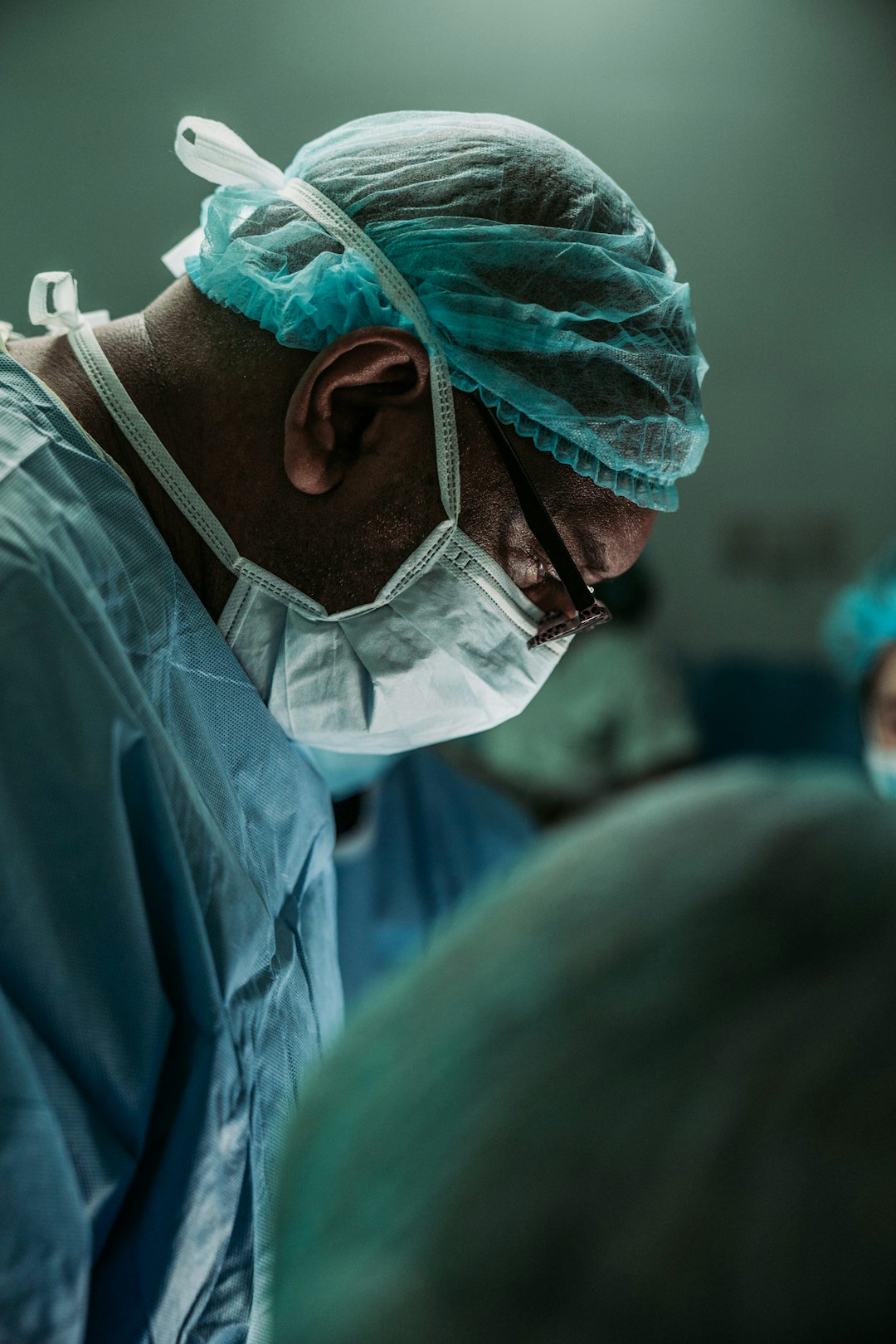 Photo by JC Gellidon on Unsplash Wisconsin Infant Becomes Third U.S. Measles Death This Week
The report identified the infant as Wisconsin’s contribution to three measles-related deaths recorded nationally that week.
cnn.com 5 Nov 2026
Infant Bleeding Rose as Parents Rejected Vitamin K Shots
Experts said growing skepticism surrounding public health was fueled partly by the Trump administration, amid increased infant bleeding reports last year.
washingtonpost.com 6 Nov 2026
WHO Recommends Two Vaccines for Bundibugyo Ebola Trial
WHO made the recommendation as reported Ebola cases approached 10,700, calling for two Bundibugyo vaccines to enter clinical-trial evaluation.
cidrap.umn.edu 5 Nov 2026
|
|
 Photo by Jeremy Thomas on Unsplash Astronauts Complete Installation of Next-Generation ISS Solar Arrays
The first iROSA arrays were deployed in 2021, marking an earlier phase of the International Space Station’s solar-array upgrades.
space.com 5 Nov 2026
Blue Origin Announces New Glenn Third Stage and Engine
Jeff Bezos’ company announced the developments for New Glenn, introducing both a third stage and a new engine.
space.com 5 Nov 2026
Voyager 1 Recovers From Communications Glitch
The reported event was unprecedented for the spacecraft: “This is the first time we’ve seen the spacecraft do something like this.”
space.com 5 Nov 2026
|
|
A striking result this week: an experimental gene therapy sharply reduced seizures in people with a severe form of epilepsy. In the small early study, doctors delivered a treatment directly into the brain, and participants’ seizures dropped so much that they “nearly vanished” in some cases, according to Nature. What was actually observed was a large change in seizure frequency after treatment, not just a lab marker. That matters because it suggests the therapy may be helping calm the misfiring brain circuits that trigger seizures. But it does not yet prove the treatment is a cure, that it will work for all kinds of epilepsy, or that it is safe and durable over many years. Early results can be dramatic and still fail in larger, longer trials.
|
|
For information only, not investment advice. AI generated. |
